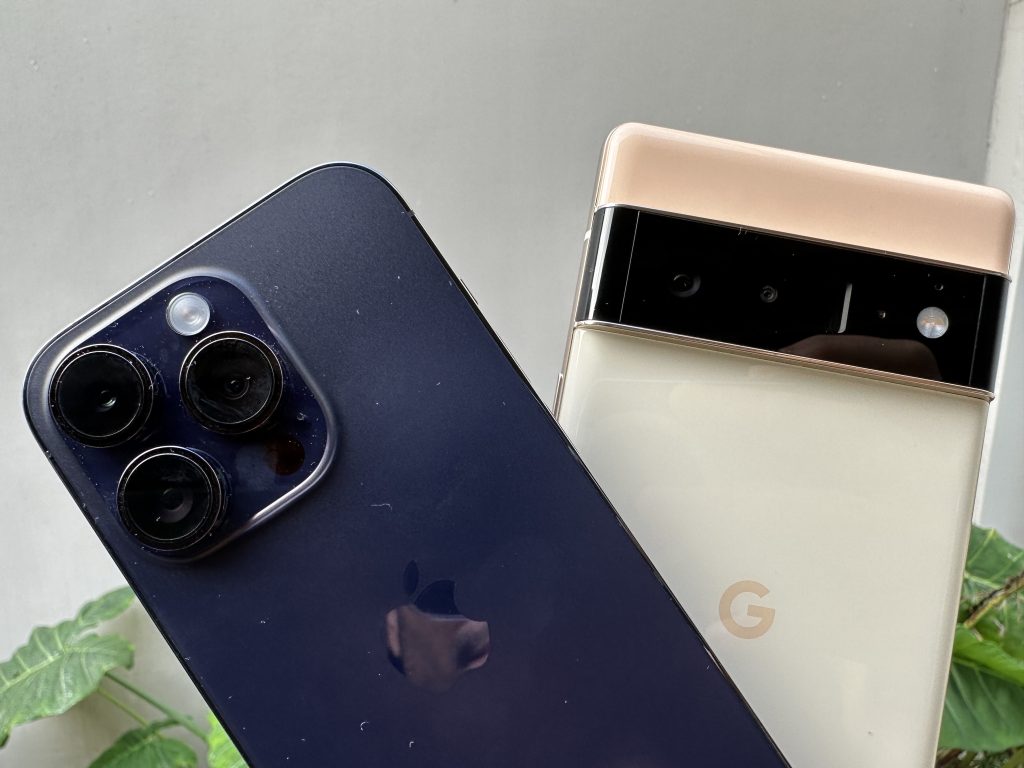
iPhone 14 Pro vs. Pixel 6 Pro Camera Comparison: for a long time this was treated as a background trend. That framing no longer holds.. Apple’s new flagship iPhone packs 48 megapixels. How does that compare with Google’s camera? The immediate coverage concentrated on the announcement itself. Stepping back, the timing is the part that matters — it arrives at a point when the surrounding ecosystem has already shifted considerably. None of this is entirely new, and that is precisely why it is worth attention. The direction has been visible for a while; what has changed is how far it has been carried out. What changed At the level of detail, this is where the difference between theory and practice shows up. The constraints are real, and they determine what a reasonable setup looks like six months from now. Apple’s new flagship iPhone packs 48 megapixels. The iPhone 14 Pro takes the biggest photographic jump the product’s recent history, at least on paper. After years of rocking a 12-megapixel main lens, the newest flagship iPhone quadruples its megapixel count to 48. Some of the 48-megapixel camera’s benefits are hard to demonstrate here. Why it matters The commercial framing tends to dominate the discussion, and it should. The question that decides whether any of this matters is whether the everyday experience improves for a household watching several hours a day. What to watch Watch the second-hand market rather than the launch coverage. Prices, availability and the quality of the underlying service tell the story more reliably than the announcements do. The practical detail Practical guidance is short. Verify compatibility with your own equipment, confirm regional availability, and treat any headline figure as a starting point rather than a settled result. What matters here is that the details will shift as more reporting lands, but the direction is clear enough to plan around…

Race-day streaming intelligence