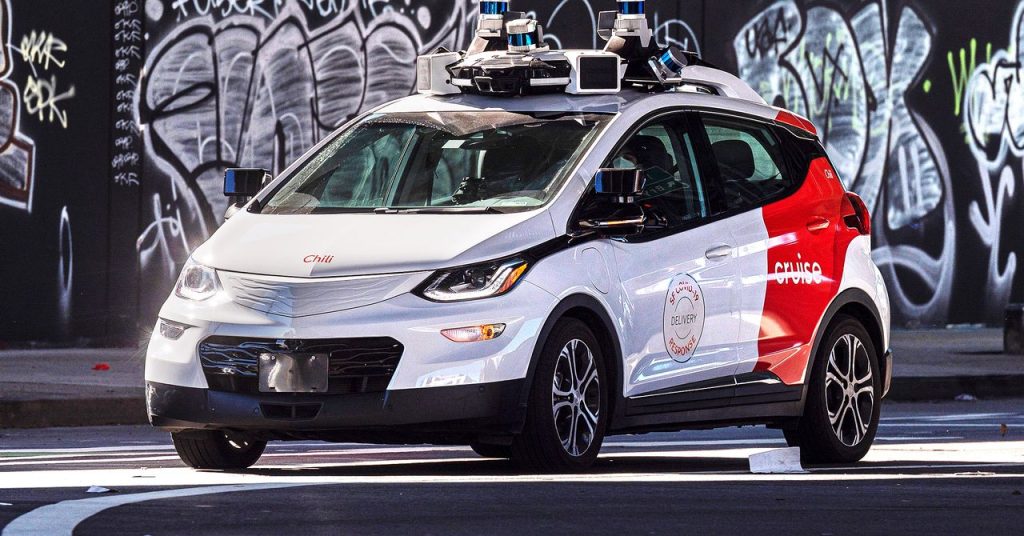
GM’s Cruise Recalls Self-Driving Software Involved in June Crash — the change took most observers by surprise. Here is what is now different, and what it means in practice.. After two people were injured in the incident, Cruise blocked its robot vehicles from making left turns for several weeks before issuing a software update. wired.com first reported the change, and the initial reaction focused on what it announced. The more interesting question is what it sets up for the months ahead, and that is where the practical consequences sit. For anyone already following this space, the announcement lands on familiar ground. The unfamiliar part is the scale, and the fact that it is being treated as a baseline rather than an exception. What changed The specific mechanism matters as much as the headline. At the level of implementation, the change is narrower than the coverage implies, and considerably more actionable for people who plan their setup around it. The company said it has determined that if the vehicle involved in the June 3 incident had been running the current software, no crash would have occurred. The incident occurred one day after the state of California granted Cruise a permit to start a commercial driverless ride-hail service in the state. The flawed software was updated by early July, Cruise said in a filing with the US National Highway Traffic Safety Agency. Why it matters This is the part that should shape a decision. Everything else — pricing, packaging, comparative features — matters less than whether the underlying delivery holds up under the conditions people actually live in. What to watch Two things are worth tracking. First, whether the early adopter experience holds as more people sign up. Second, whether the pricing structure survives the first round of competition. Both answers should arrive within the year. The practical detail Set aside the launch framing and the picture becomes clearer. For most people the decision reduces to a short checklist: confirm the technical requirements, check that the service is available in your region, and read the current terms rather than the summary of them. In practice, the details will shift as more reporting lands, but the direction is clear enough to plan around…

Race-day streaming intelligence