
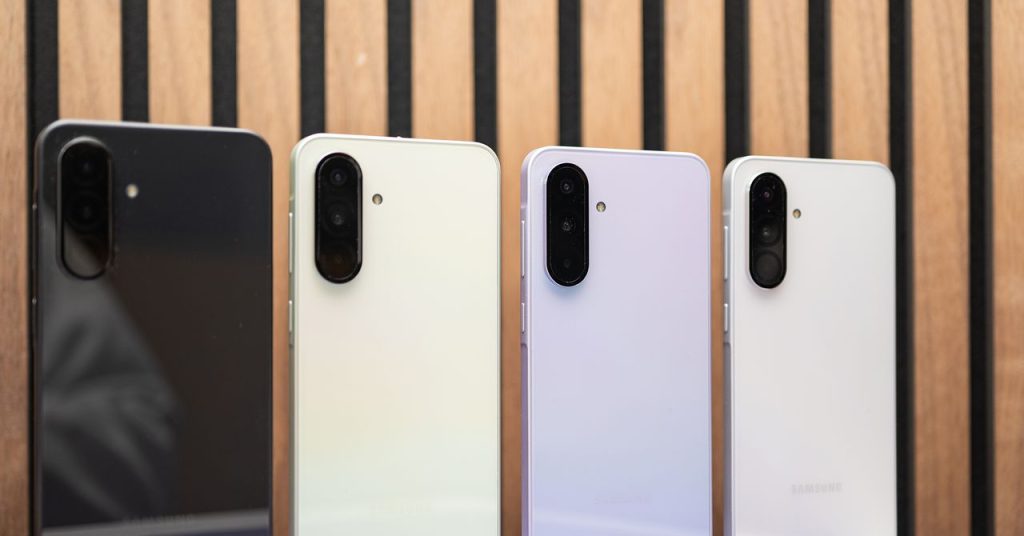
Samsung’s Affordable Galaxy A36 and Galaxy A26 Will Get 6 Years of Software Updates — the change took most observers by surprise. Here is what is now different, and what it means in practice.. The company’s latest affordable smartphones are thinner and more durable and have a sprinkling of AI. What emerged was clear in outline but layered in detail. Reading the announcement alongside the wider context suggests a deliberate move rather than a response to short-term pressure. There is a longer arc here. Treating the current announcement as a single event misses the pattern that connects it to what came before. What changed Looked at closely, the implementation is more conservative than the announcement suggests. That is not a criticism — it reflects a market that has learned from earlier overreach. The Galaxy A36 is the premier of the two and costs $400, whereas the Galaxy A26 starts at $300, rivaling Motorola’s new Moto G Power 2025. Samsung says the Galaxy A36 will be available for order in the US on March 26, with the Galaxy A26 to follow on March 28. There’s also the Galaxy A56 5G, which the company teased as a $500 smartphone that will arrive later this year in the US. All three devices have Corning’s Gorilla Glass Victus+ for better scratch and shatter resistance, first employed on phones like Samsung’s flagship Galaxy S22 series from 2022. Why it matters The competitive question here is not really about who announced what. It is about who can keep the promise once load rises and the conditions get less forgiving. What to watch The indicators worth tracking are unglamorous: response times at peak hours, the frequency of service interruptions, and how quickly support resolves problems that are genuinely hard. The practical detail The concrete checklist is this: hardware support, regional availability, contract length, and what happens to the service if the operator changes its approach. In practice, the details will shift as more reporting lands, but the direction is clear enough to plan around…
Tag: Galaxy
Feb
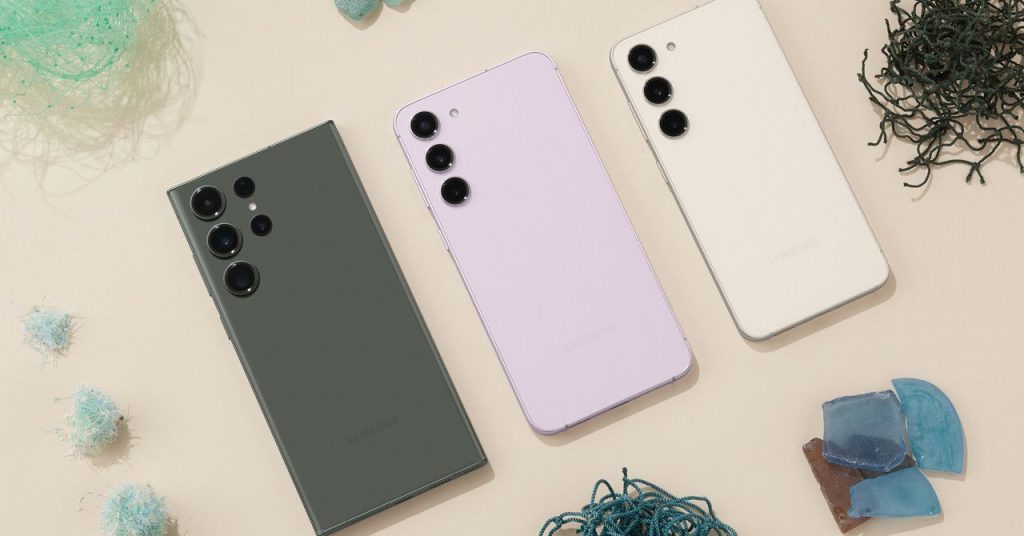
Samsung Galaxy S23 Ultra, S23+, S23 and Galaxy Book3. plenty of noise surrounded this announcement. The substance underneath it is what deserves attention.. There are three new phones—the Galaxy S23, S23+, and S23 Ultra—as well as five new laptops. What emerged was clear in outline but layered in detail. Reading the announcement alongside the wider context suggests a deliberate move rather than a response to short-term pressure. There is a longer arc here. Treating the current announcement as a single event misses the pattern that connects it to what came before. What changed Looked at closely, the implementation is more conservative than the announcement suggests. That is not a criticism — it reflects a market that has learned from earlier overreach. Like clockwork, Samsung has unveiled its next set of flagship smartphones: the Galaxy S23, Galaxy S23+, and Galaxy S23 Ultra. The Galaxy S23 series isn’t the lone hardware announcement from the company. Photograph: Julian ChokkattuSamsung’s Galaxy S23 smartphones follow closely in the footsteps of the S22 series. The S23 Ultra, in particular, looks nearly identical to the S22 Ultra. Why it matters The competitive question here is not really about who announced what. It is about who can keep the promise once load rises and the conditions get less forgiving. What to watch The indicators worth tracking are unglamorous: response times at peak hours, the frequency of service interruptions, and how quickly support resolves problems that are genuinely hard. The practical detail The concrete checklist is this: hardware support, regional availability, contract length, and what happens to the service if the operator changes its approach. For most viewers, this means the details will shift as more reporting lands, but the direction is clear enough to plan around…